Warm homes and heat networks – what now for local authorities?
- Details
Nathan Bradberry and Carrie Davies set out the steps local authorities can take to prepare for implementation of the Warm Homes Plan.
The year started with some record-breaking cold weather so it was timely that January 2026 also saw the launch of the Government’s flagship Warm Homes Plan (‘Plan’).
The Plan promises billions in investment to lift millions of homes out of fuel poverty, reducing energy bills and using clean energy. Local authorities will be crucial in supporting delivery on the Plan.
A key component of the Plan is unlocking the potential of heat networks. The Plan targets more than doubling heat demand met through heat networks in England by 2035, subsequently then providing a fifth of all heat by 2050.
It was no coincidence, therefore, that 21st January also saw the publication of the Government’s response (Heat network zoning consultation 2023: summary of government response - GOV.UK) to its 2023 consultation on heat network zoning (‘Consultation Response’). This is the precursor to regulation which is expected to be in force later this year.
For local authorities in England, the forthcoming heat network zoning regulations (‘Regulations’) are likely to lead to significant changes, including requirements for:
- designation of local and/or regional authorities as ‘zone coordination bodies’;
- preparation for the upcoming changes and additional resourcing requirements; and
- those that are involved with existing or proposed heat networks in their administrative boundaries (whether as an owner, landlord, operator or customer) to consider how these heat networks fit within future zones.
There is, of course, a lot of detail that will only become clear once the Regulations are available, but here we set out some key points for local authorities to be aware of based on the Consultation Response:
Entities
- An overarching ‘heat network zoning authority’ will be within DESNZ but moving to the ‘Warm Homes Authority’ when that body is created. This central authority will identify and designate zones, coordinate and support zone coordination bodies, issue guidance to them and review decisions taken by them.
- ‘Zone coordination bodies’ at local/regional level (which may comprise one or more local and/or regional authorities acting together) will coordinate the development of heat networks within zones in their sphere of influence, while adhering to standards and strategies set by the central authority.
- Heat network developers (envisaged to be private sector entities) will competitively bid for exclusive rights to develop heat networks in one or more zones.
Funding
The Consultation Response acknowledges the challenges for local authorities in funding any involvement in a zone coordination body and sourcing the requisite skills and indicates that funding from central government will be made available during the early years of the Regulations.
We recommend that local authorities seek to understand whether they will need to house or interface with a zone coordination body and begin considering the resource and skills required.
Connection of public buildings to heat networks
Public buildings have the potential to provide anchor loads fundamental to the success of heat networks. However, contracts for connection and/or heat supply may be considered ‘covered procurement’ under the Procurement Act 2023. The Consultation Response therefore notes that public authorities will need to take their own legal advice as to whether a public procurement would be required before connection to or supply from a heat network could be agreed.
While the Consultation Response addresses mandates to connect, it so far seems more likely that the Procurement Act 2023, rather than a mandating regime under the Regulations, will regulate the extent to which public buildings connect to heat networks.
Local authorities as heat network developers
The Consultation Response notes that there is a potential for conflicts of interest where a local authority is both involved in the zone coordination body and is a heat network developer (e.g. has its own Energy Supply Company, ‘ESCO’). The Consultation Response emphasises the need for a competitive process to identify the ‘best’ organisation to be awarded the rights to develop a heat network in a zone. Therefore, it is imperative that any local authority with a commercial interest in any existing heat network carefully considers any potential conflicts and the impact of any such competitive processes on those commercial interests.
Heat networks that are already developed in advance of the Regulations will be classed as ‘existing networks’ (unless they are ‘pre-zone heat networks’, for example as part of the Advanced Zoning Programme). Those classified as existing networks will be required to comply with the Procurement Act 2023 as though they were regulated utilities (which is already likely to be the case for local authority ESCOs).
The Consultation Response indicates that the long-term policy intention is integration of existing heat networks into zones. However, it recognises that buildings close to an existing network may be better served by connecting to it than by waiting for development of a new heat network. To manage this, the Consultation Response indicates that existing heat networks may apply to the zone coordination body to establish a ‘competition area’ around their existing network to provide a defined period (likely to be five years from the date of publication of the zone developer’s Zone Development Plan) to connect buildings within the approved competition area.
What now?
Local authorities face an ever-expanding list of competing priorities. However, arguably understanding the impact of the Plan and Regulations should be towards the top of the list. These bring major challenges (including finding additional capacity and resource to engage with the Regulations) but also offer significant opportunities including: addressing fuel poverty; increasing use of clean energy to deliver on net zero and climate emergency targets; inward investment; and local skills development.
Immediate things that local authorities can do to prepare include:
- consider governance arrangements if you are to take a role or engage with a zone coordination body, and what skills and resources you might need;
- are there any potential conflicts arising due to current involvement with heat networks in your area (e.g. as a heat network operator/ESCO) and the interface with any potential zone coordination role;
- consider the interface with existing or forthcoming developments within areas that could be designated as zones (e.g. housing or commercial development, heat sources such as energy from waste facilities and data centres) and whether these arrangements adequately take account of future heat network zone connection / supply requirements;
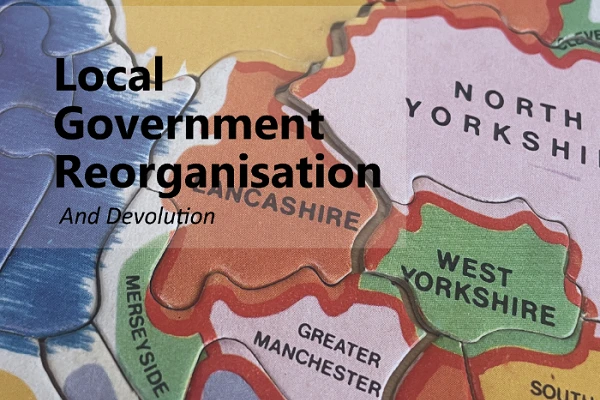
- consider any impacts of Local Government Reorganisation (LGR) on potential zones and heat networks in your area;
- take account of all relevant heat network regulation including the role of Ofgem from 27 January 2026 as the official regulator for heat networks in Great Britain, introducing mandatory authorisation, enhanced consumer protections, and fair pricing rules; and
- alert colleagues in your housing, planning, development, places and other functions to the forthcoming changes.
Nathan Bradberry is a Partner and Carrie Davies is a Senior Associate in the Energy and Resource Management Team at law firm Bevan Brittan LLP.
Contact
Must read


Sponsored articles

Walker Morris supports Tower Hamlets Council in first known Remediation Contribution Order application issued by local authority
Unlocking legal talent
Jobs


















Contracts and Procurement Lawyer

Senior Solicitor

Senior Solicitor (Contract & Procurement)

Principal Property Lawyer and Team Leader
Locums
Poll


Directory